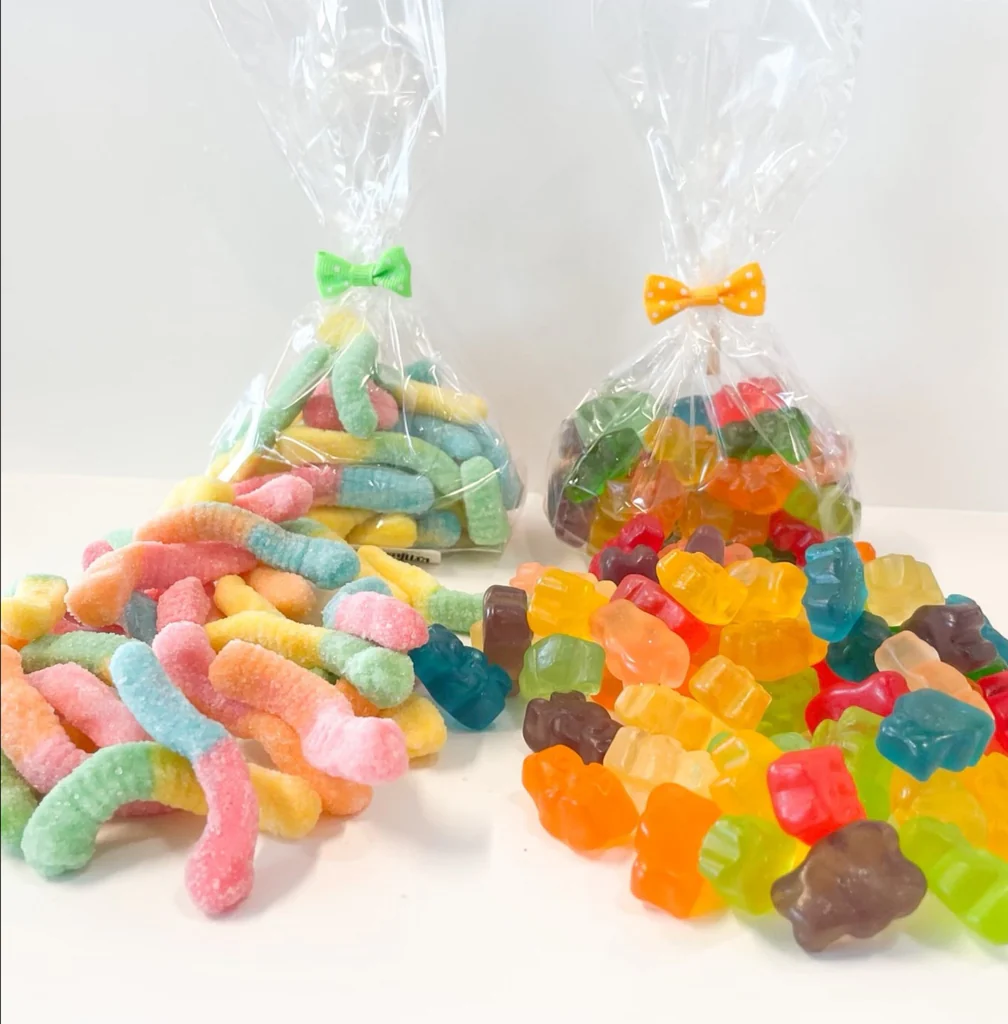
A gummy goes through five real stages before it reaches a shelf: extraction, activation, mixing and dosing, setting, and testing.
Search for best thc gummies for sleep long enough and you’ll find plenty of ingredient lists. Almost nothing about that sequence, even though it’s what actually determines how consistent a product turns out to be.
Extraction Comes Before Anything Looks Like a Gummy
Long before anything looks like a gummy, there’s extraction. Plant material gets processed, cannabinoids pulled out in concentrated form, usually through a solvent method or CO2, depending on who’s making it and what equipment they’ve got.
What comes out barely resembles food. Closer to an oil, sometimes a distillate, and this is the part most people skip past without realizing it’s the whole ceiling for everything downstream. The concentrate decides how strong the finished product can even be. Nothing added later raises that ceiling, only the process up to this point.
Activating the Cannabinoid Changes the Whole Outcome
Then comes a step most brands won’t name on packaging, decarboxylation, which sounds more complicated than it is. Heat, basically. Raw cannabinoids need heat before the body can actually use them, and skip that or rush it and you get a mismatch, label says one thing, gummy delivers another.
That mismatch is quieter than people think. Nobody notices a slightly undercooked batch just by looking at it. It shows up later, in dose consistency complaints, in reviews that mention “this one felt weaker,” without anyone tracing it back to a heating step that happened weeks earlier in a facility they’ll never see.
Mixing and Dosing Is Where Precision Either Happens or Doesn’t
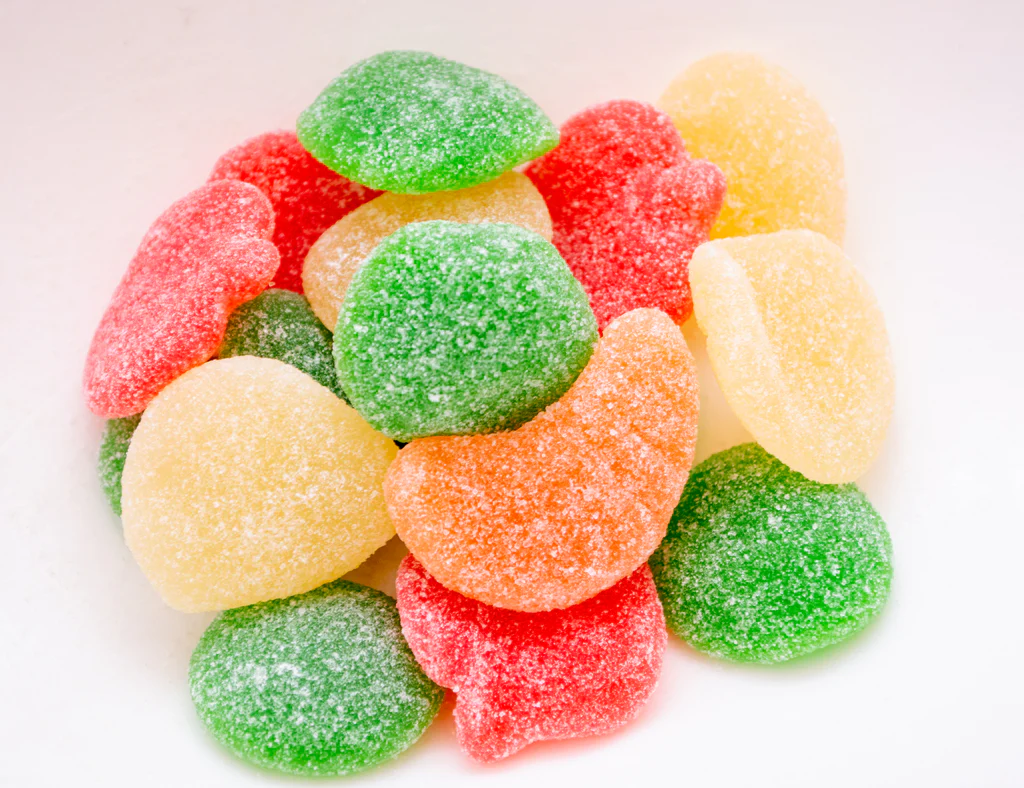
Once the cannabinoid’s active, it goes into a base. Gelatin or pectin, sugar, water, whatever flavoring the brand’s chosen, heated together into something closer to syrup than candy at this stage.
The cannabinoid gets added once things cool slightly. Has to be, really, since too much heat this late degrades what took several earlier steps to activate properly in the first place.
Dosing is where careful manufacturers and sloppy ones actually split apart. Pour it wrong, even slightly, and one gummy in a batch ends up stronger than its neighbor sitting two inches away in the same tray. Automated equipment handles this more evenly. Hand-poured batches, still common with smaller brands, introduce more variation, and that’s probably the single biggest reason two “identical” gummies from two different companies feel nothing alike.
Flavor Gets Added Last, After Everything That Actually Matters Is Set
Only after all of that does flavor and coating come in, usually a light dusting of sugar or citric acid to keep the gummies from sticking together and round out the taste.
It’s tempting to think flavor is where a brand’s personality shows up most. In a sense it is, but by the time flavor gets added, potency and dose consistency have already been locked in several steps earlier. Nothing about how a best thc gummies for sleep product tastes says anything about how it was actually dosed.
Testing Is the Step Some Brands Quietly Skip
The last stage is testing, at least for brands doing this properly. Batches get sent out for lab analysis to confirm cannabinoid content actually matches the label and to screen for anything that shouldn’t be there.
This is also where shortcuts get taken by brands trying to save time or money, since lab testing adds cost without changing how a finished gummy looks or tastes. The process from plant to finished product isn’t complicated in theory. It’s the number of places where a shortcut can quietly change the outcome that makes it worth understanding at all.



More Stories
Buche Ace Hardware’s Top Lawn Care Products for a Perfect Yard
Tips to Choose the Right 3M Pinstriping Tape for Your Projects
High-Efficiency Particulate Air (HEPA) Purifiers: Ultimate Dust and Allergen Removers